
Evidence field guides
Identify the form, record the evidence, and compare dated examples
These guides turn catalog plates, documented fixtures, and careful measurements into practical steps for old-house owners. Each one separates visible evidence from attribution and links its examples to the underlying archive or authoritative source.
How the field guides work
Start with visible features
Record the canopy, suspension, arms, sockets, glass support, controls, markings, and signs of alteration.
Measure consistent points
Use overall drop, width, projection, holder opening, shade neck, and mounting dimensions that can be compared directly.
Check dated evidence
Compare the complete assembly with catalog model numbers, dimensions, finish notes, and documented objects before proposing a date or maker.
Current guide library
Six ways into the evidence
Identification
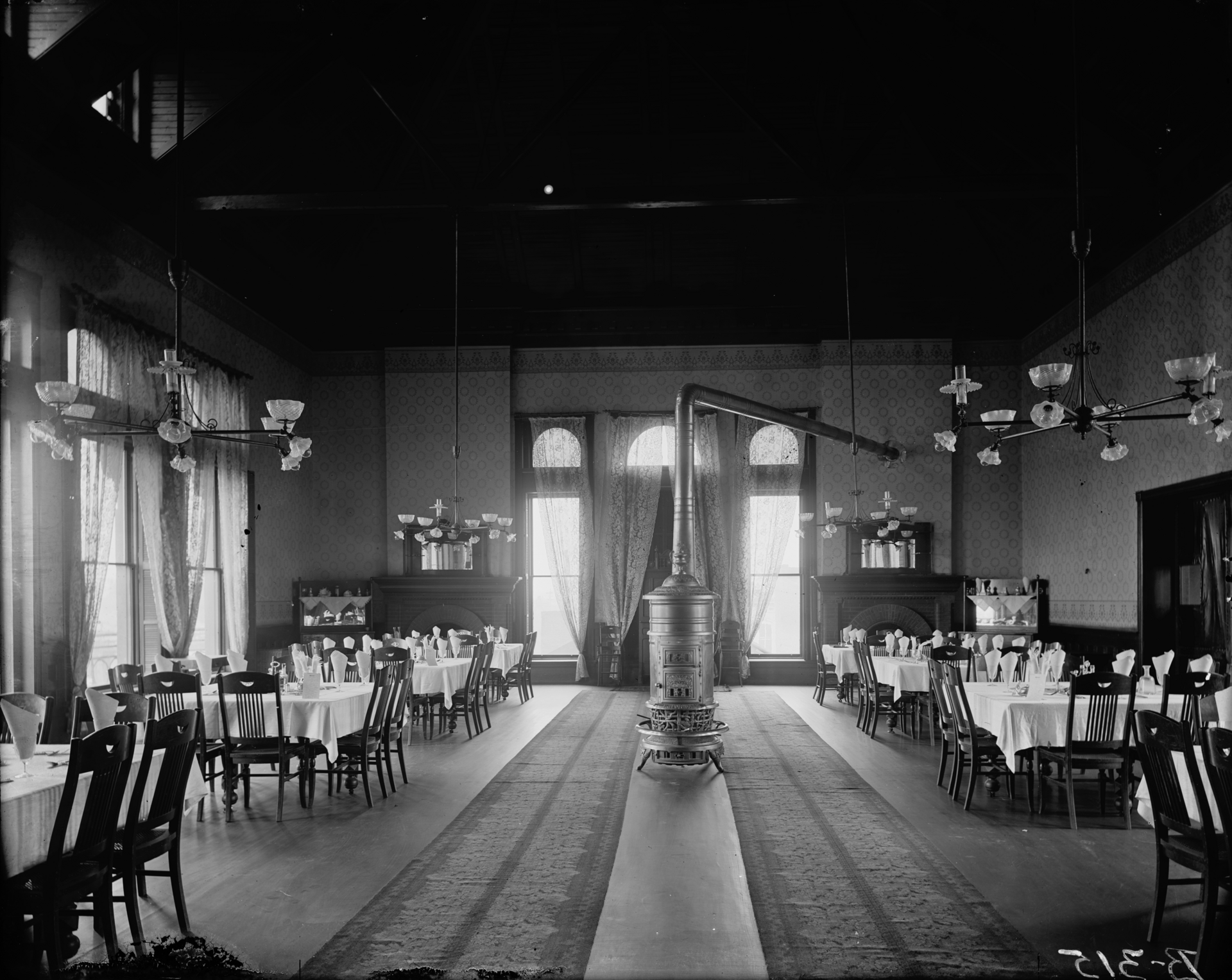
Is it a combination gas-and-electric chandelier?
Read arm direction, controls, service paths, and alterations to distinguish a purpose-built combination fixture from a gasolier later wired for electricity.
Evidence: Documented interiors, a period patent, federal preservation records, and construction details.
Open the guide →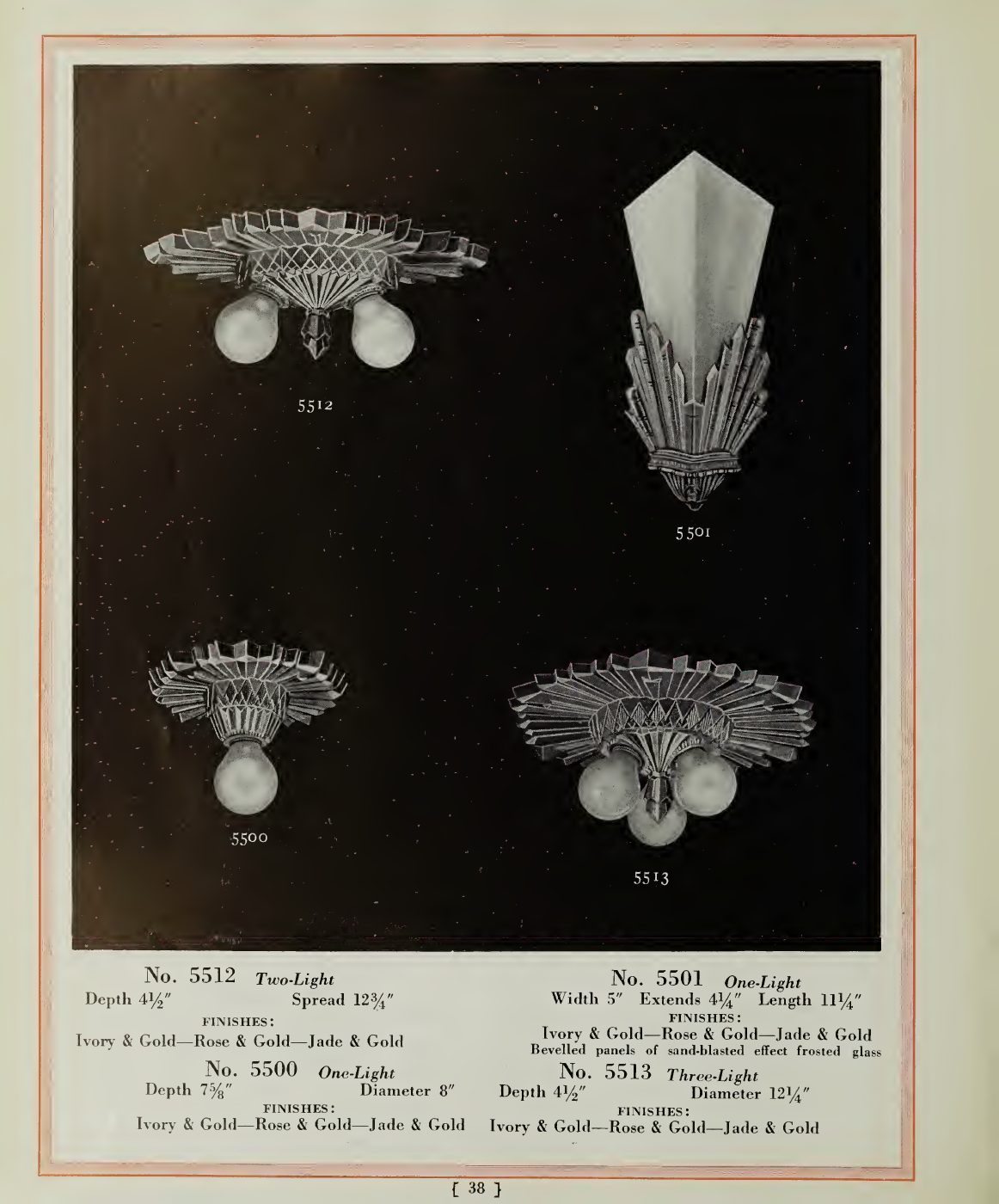
Archive skills
How do you read a historic lighting catalog?
Follow model numbers, dimensions, finish names, and scan citations while keeping a documented catalog offering separate from the date of a surviving fixture.
Evidence: Dated trade catalogs from the Avery Library copies in the Building Technology Heritage Library.
Open the guide →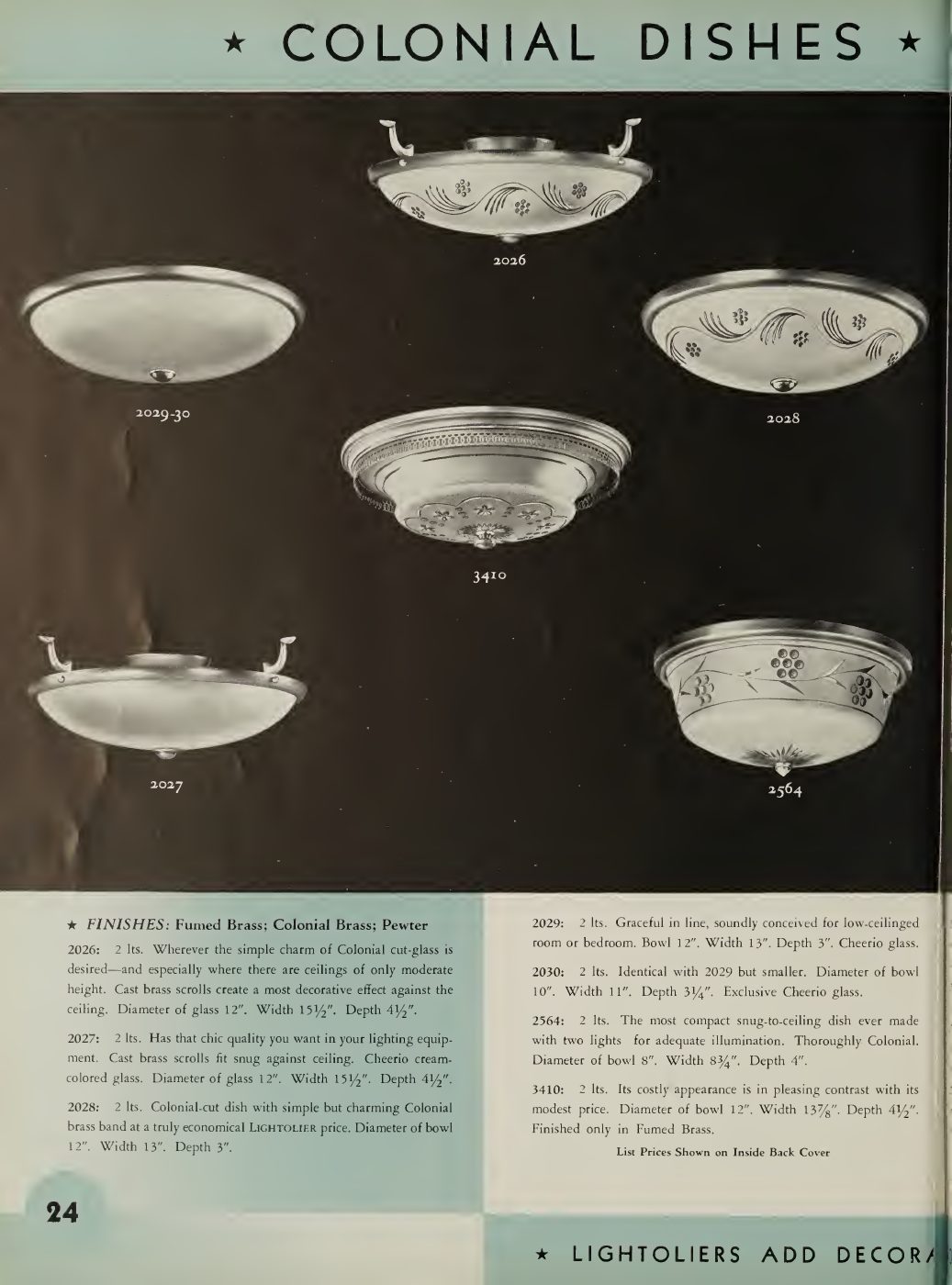
Fixture forms
Flush, semi-flush, or pendant?
Use the ceiling gap, suspension hardware, body depth, and glass support to name the mounting form, then compare it with dated catalog plates.
Evidence: Frankelite, Champion, and Lightolier catalog examples published from 1926 through 1934.
Open the guide →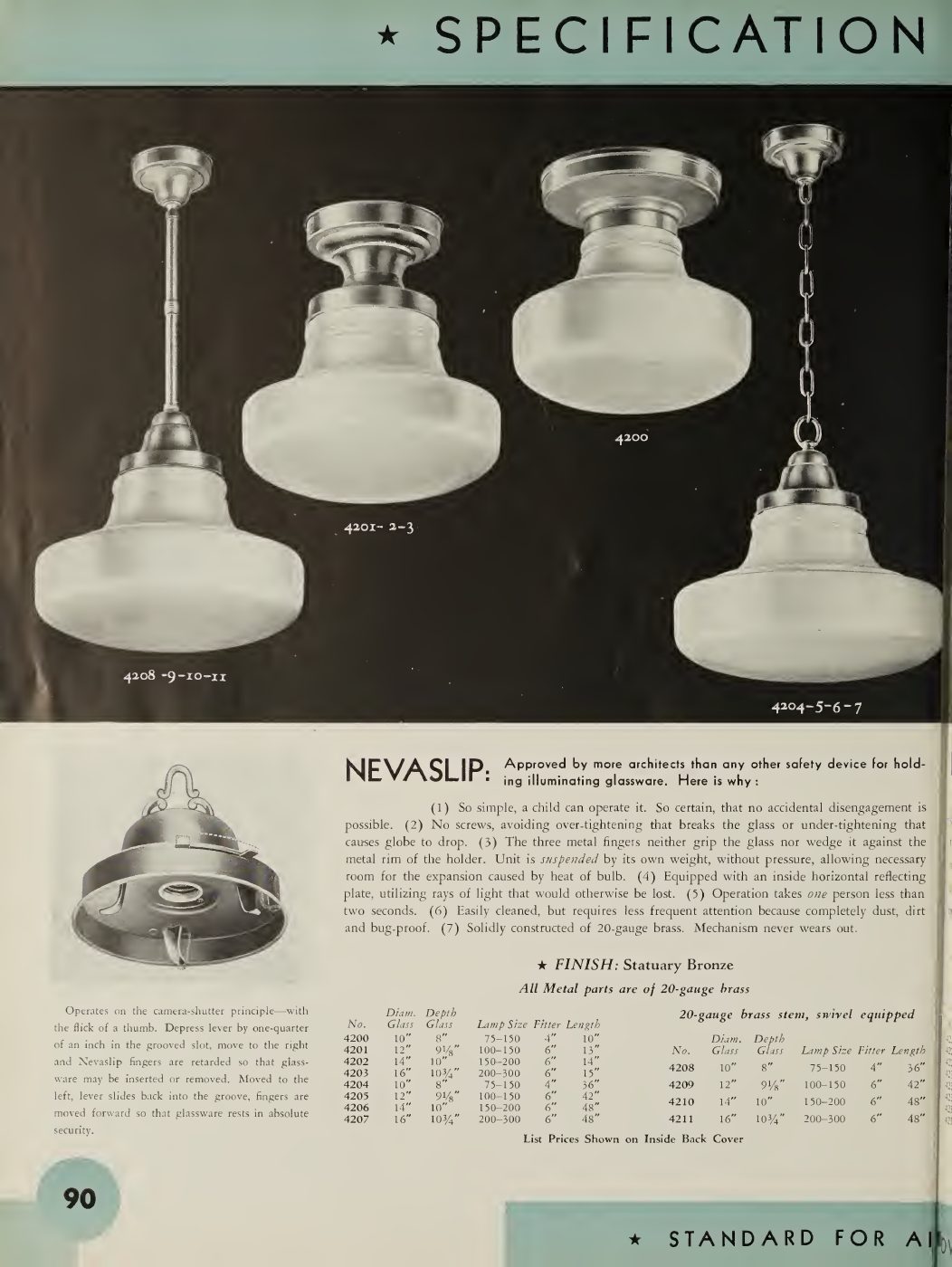
Parts and fit
What size is the shade fitter?
Measure the shade neck and holder opening separately, identify the retaining method, and record the profile before sourcing replacement glass.
Evidence: Period specification pages, a purpose-made diagram, and current specialist measuring references.
Open the guide →Glass shades
Is it a schoolhouse shade?
Read the stepped opal-glass silhouette, compare documented flush and suspended forms, and match the neck and holder before choosing replacement glass.
Evidence: A dated Lightolier glassware plate with form numbers, diameters, and mounting arrangements.
Open the guide →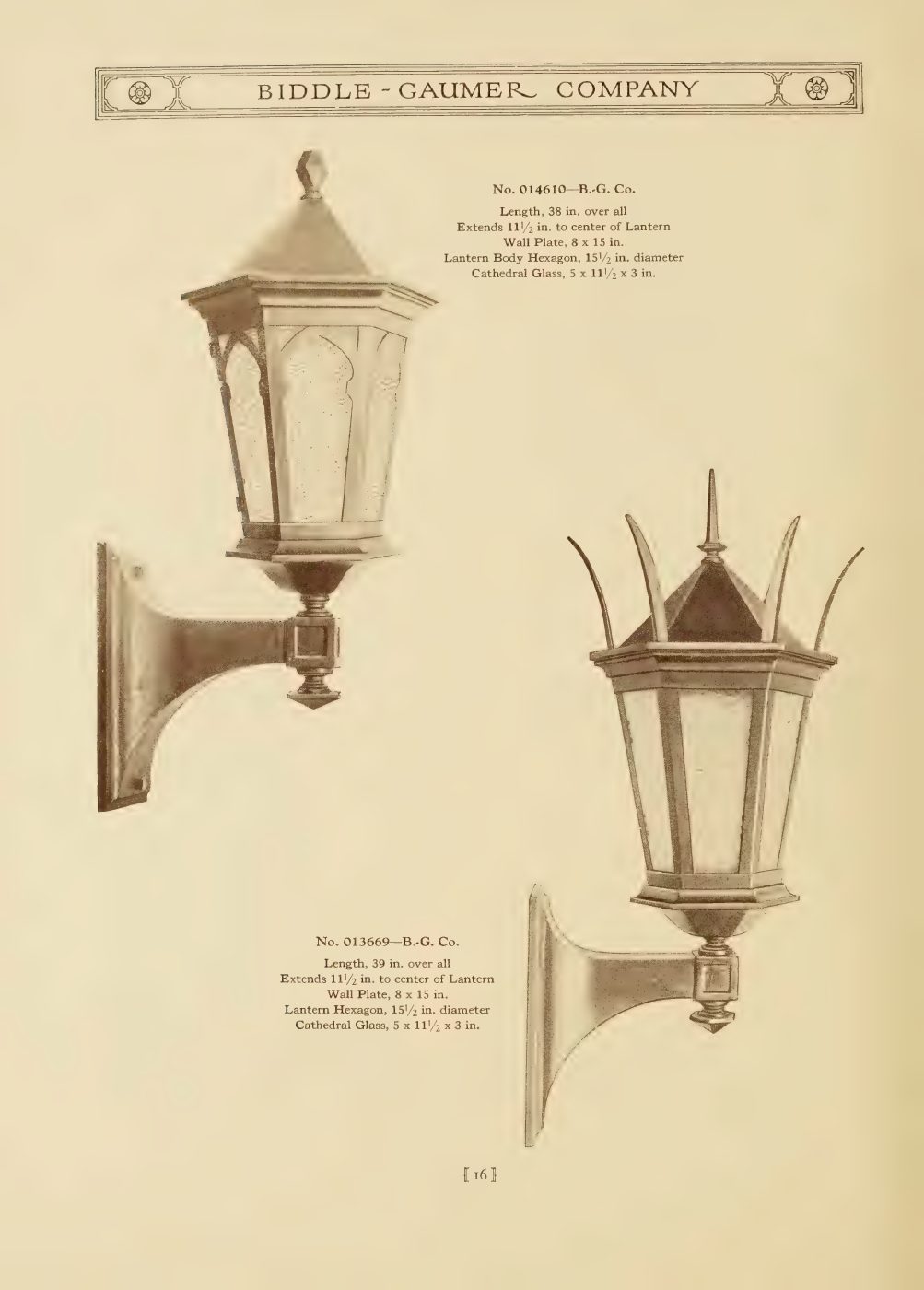
Exterior lighting
Wall, hanging, or post lantern?
Identify the mounting assembly, compare measured 1927 examples, and record the dimensions that determine exterior-lantern fit.
Evidence: Biddle-Gaumer’s 1927 exterior-lighting catalog and present-day wet-location guidance.
Open the guide →